Email US
 Hours
Hours
 Visit Our Showroom



How Atlanta Caster Helps Solve Complex Mobility Challenges
Jan 20th 2026
Rolling equipment may appear simple until it starts wobbling, squeaking, or pulling sideways at the most inopportune moment. Whether you run a warehouse, a school, or a production line, mobility issues rarely remain small. A cart that drifts today can stall an operation tomorrow. The truth is, “adding wheels” isn’t enough when floors, loads, and routes all play differently. That’s where Atlanta Caster steps in, bringing expertise, not just parts. From custom casters to industrial casters designed for real-world applications, this guide demonstrates how they address mobility challenges that standard products can’t.
Why Mobility Gets Complicated Fast
The Hidden Costs of Poor Mobility
If you’ve ever struggled to push a cart that feels heavier than it should, you’ve met the real cost of poor mobility. Workers slow down, frames bend, and floors wear out faster. Choosing the wrong industrial casters or casters for carts can often lead to increased maintenance, downtime, and frustration. The secret isn’t brute strength-it’s balance.
When ergonomic casters are chosen correctly, push force decreases, steering becomes smoother, and consistency is maintained across shifts. Even something as subtle as caster weight distribution-how load spreads across wheels-decides whether your cart glides or grinds.
The Three Variables That Change Everything
Every mobility challenge comes down to three things- load, floor, and environment. A 300-lb tool cart behaves differently from a 300-lb cabinet. Why? The center of gravity shifts, the frame flexes, and the contact surface changes.
Add rough terrain or casters for uneven floors, and your setup will be exposed to shock, vibration, and side loading. Then there’s the route itself. Do you cross ramps, docks, or thresholds? If so, your setup requires casters for outdoor use, built with tread resilience, sealed bearings, and the correct wheel diameter to roll smoothly. Those details are what turn a basic cart into dependable equipment.
What Complex Mobility Challenges Look Like in Industrial Environments
Heavy Loads That Shift, Bounce, or Roll Unevenly
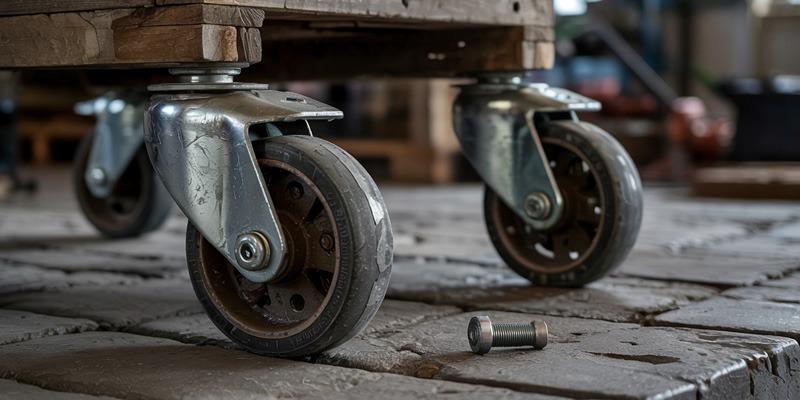
In many facilities, “heavy load” means more than weight-it implies instability. Machines, molds, and tanks shift their center of gravity mid-route. Here, casters for moving heavy equipment and high-load capacity casters are crucial, but so is design. Uneven loading can cause one wheel to be destroyed while the others barely function. Atlanta Caster engineers work around these forces to maintain predictable stability.
Floors That Fight Back
A perfect floor is rare. Expansion joints, cracked concrete, metal plates, and epoxy seams all change traction. That’s why picking the right caster wheel material is essential. For example, polyurethane works well indoors, while rubber casters offer grip and shock absorption. On harsh surfaces, steel casters or cast iron casters may be the only practical choice. If the space includes polished areas, casters for hardwood floors keep surfaces safe without sacrificing strength.
Tight Spaces and Frequent Turns
Facilities rarely offer wide, empty lanes. Carts need to pivot, reverse, and stop within inches of each other. That’s where swivel casters make life easier, allowing rotation without lifting. However, too many swivels can cause instability. Adding rigid casters at fixed points keeps movement controlled. It’s all about steering predictability-something Atlanta Caster specializes in fine-tuning.
Why Standard Casters Fail in Heavy-Duty and Specialized Applications
Load Rating Is Not the Same as Real Working Load
A caster may claim a 1,000-lb rating, but that assumes perfect distribution, smooth floors, and no shock loads. In real life, heavy-duty casters must withstand bumps, sudden stops, and angled pushes. That’s why engineering margin-what Atlanta Caster calls the “real-world factor”-is built into every design.
Wrong Wheel Material for the Floor
Many problems start with a mismatched caster wheel material. Rugged wheels chip floors- soft wheels flatten under weight. Polyurethane casters are often ideal indoors, rubber casters soften vibration, and nylon casters reduce rolling resistance on smooth surfaces. For ultra-heavy loads, cast iron casters or steel casters can handle the abuse-if your floor can take it.
The Bearing Choice Gets Ignored Until It’s Too Late
A seized bearing turns any wheel into dead weight. Choosing the right bearing types for casters involves considering contamination, speed, and cleaning cycles. Ball bearings roll smoothly under lighter loads- roller bearings thrive under heavy impact. Atlanta Caster helps match bearing style to the environment, a detail that catalog descriptions rarely explain.
Mounting and Geometry Mistakes
Even good casters fail when mounted poorly. Mismatched bolt patterns, incorrect offset, or undersized plates cause premature wear and drift. Understanding caster weight distribution ensures that all wheels carry their share of the load, preventing the dreaded “heavy corner” that ruins steering control.
How Atlanta Caster Helps Solve Complex Industrial Mobility Challenges
Start with a Short Discovery Conversation
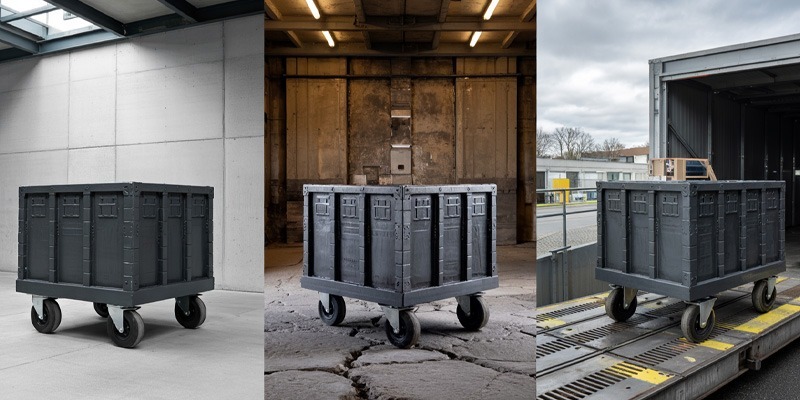
Every project begins with a conversation, not a catalog number. “What are you moving?” “Where does it roll?” “How often?” These simple questions uncover more about the real problem than a spreadsheet ever will. Whether it’s casters for equipment, casters for carts, or a one-off build, Atlanta Caster listens first and recommends later.
Translate the Job into Specs That Actually Matter
Once the job is clear, engineers convert use cases into technical specifications, including load per caster, route map, surface type, and duty cycle. These determine ideal caster weight distribution, correct caster wheel material, and the proper bearing types for casters. No guesswork, just math and field data.
Recommend the Right Configuration, Then Refine
Some jobs require more swivel for tight turns, while others need more rigidity for tracking. Atlanta Caster adjusts layouts using swivel casters, rigid casters, and brake systems designed for control, not just compliance—the result- carts that move as expected, even when loads aren’t balanced.
Build or Modify When Standard Options Are Not a Fit
When catalog parts fall short, custom casters and Custom solutions take over. That might mean stronger forks, sealed bearings for outdoor use, or a new offset to change pivot feel. Whether it’s steel casters for heat or cast iron casters for shock, Atlanta Caster can modify or build from scratch.
The Building Blocks of a Reliable Caster Setup
Step 1- Choose Swivel, Rigid, or a Blended Layout
A layout of two swivel casters and two rigid casters is the standard for control, but it’s not universal. All-swivel systems excel in tight spaces, blended layouts strike a balance between power and rotation. Every setup should reflect the cart's movement and its intended path.
Step 2- Match Wheel Material to Floor and Load
Wheel material sets the tone for performance. Polyurethane casters protect floors while handling weight. Rubber casters smooth vibrations and noise. Nylon casters minimize effort on slick floors. For extreme demands, cast iron casters and steel casters survive where others fail. Each type of caster wheel material serves a different purpose-matching them to the right floor matters most.
Step 3- Pick the Right Bearing Style for the Duty
Smooth rotation depends on selecting suitable bearing types for casters. Plain bearings resist washdowns, roller bearings carry heavy loads, and precision bearings reduce friction. Ignoring this detail can turn a light push into a daily struggle.
Step 4- Get Weight Distribution Right
Caster weight distribution affects everything, including load safety, wear, and control. Uneven loads lead to early wheel failure or a cart that “crabs” sideways. Checking frame balance before installation prevents most caster issues down the road.
Step 5- Don’t Forget Ergonomics and Control
Even the strongest setup can feel wrong if ergonomics are ignored. Ergonomic casters reduce push effort, improve control, and minimize operator fatigue. Brake placement and handle height round out the design, turning mobility from a chore into routine motion.
Everyday Use Cases and Recommended Caster Directions
Moving Heavy Equipment Without Drama
For industrial moves, casters for moving heavy equipment must combine toughness and control. That usually means heavy-duty casters with larger wheels and robust bearings. They absorb shock and stay predictable under full load without binding or twisting.
Carts That Need to Track Straight in Long Aisles
Straight-line movement favors a two-and-two setup, featuring rigid casters in the back and swivel casters in the front. This hybrid configuration allows carts to steer smoothly while staying aligned-ideal for casters on carts or mobile racks.
Facilities with Mixed Flooring
If your route crosses multiple floor types, adjust caster wheel material accordingly. Polyurethane casters or rubber casters handle transitions from concrete to finished surfaces. When moving through polished zones, casters for hardwood floors protect against scuffs or dents.
Uneven Floors and Rough Surfaces
For casters for uneven floors, wheel diameter is key. Larger wheels roll over cracks and debris instead of getting caught. Shock-absorbing rubber casters or heavy-tread polyurethane casters make the push smoother and safer.
Outdoor Routes, Parking Lots, and Weather Exposure
casters for outdoor use face grit, moisture, and temperature swings. Corrosion resistant hardware, sealed bearing types for casters, and tread resilience ensure steady movement through rain and dust.
When Appearance Matters Too
In hospitality or retail, performance and aesthetics meet. Designer caster wheels give displays and equipment a polished appearance while maintaining their structural integrity. Atlanta Caster balances style and durability; form never replaces function.
When Custom Caster Solutions Are Required Instead of Standard Casters
Signs a Standard Caster Will Not Hold Up
Frequent replacements, cracked wheels, or unstable movement are red flags. High-impact, angled turns, or floor transitions push standard products past their limits. That’s when high-load capacity casters and Custom solutions become necessary.
Common Custom Directions Atlanta Caster Can Support
Custom casters may involve alternate offsets, sealed bearings, unique materials, or tailored geometry for extreme environments. Whether the problem is height restriction, chemical exposure, or unstable caster weight distribution, Atlanta Caster can engineer a fix.
Quick Buying Checklist Before You Place an Order

Measurements and Details to Collect
Start by noting total weight, load center, and path type. Identify surface changes, slope angles, and maneuvering space. Understanding caster weight distribution, floor texture, and mounting height prevents poor fits later. The more real-world data you provide, the better the match will be.
Questions Worth Asking Your Supplier
Ask about wheel hardness, bearing sealing, brake options, and replacement availability. Confirm compatibility with your floor type and daily duty. For high-stress environments, inquire about bearing types for casters that can handle continuous load without binding.
FAQs
1. What are complex mobility challenges in industrial environments?
There are situations where industrial casters encounter uneven loads, tough surfaces, or harsh routes that disrupt caster weight distribution, resulting in drift, vibration, or control loss.
2. Why do standard casters fail in heavy-duty and specialized applications?
Because static ratings overlook shock, debris, and actual motion, using the wrong caster wheel material or weak bearing types for casters makes failure inevitable under heavy dynamic loads.
3. How does Atlanta Caster help solve complex industrial mobility challenges?
By analyzing routes, loads, and floors, then building Custom solutions using custom casters designed to last through demanding cycles and environmental stress.
4. How do you choose the right caster for heavy equipment and demanding environments?
Use casters with the correct caster wheel material, reliable bearing types, and a balanced mix of swivel casters and rigid casters for moving heavy equipment.
5. When are custom caster solutions required instead of standard casters?
When you face irregular loads, unstable balance, or repeated failures, custom casters excel at handling unique caster weight distribution and non-standard floor conditions.
Wrapping Up
Mobility problems don’t fix themselves. They grow until carts jam aisles or operators burn out. The good news? The solution is rarely complicated when you work with people who know the physics behind every roll. Atlanta Caster brings decades of experience with industrial casters, heavy-duty casters, and full-scale custom casters engineered for stability, control, and comfort. Whether you need polyurethane casters, rubber casters, or nylon casters for specialized jobs, their team can match every detail, from caster wheel material to bearing types, to your exact environment.
Ready to stop fighting your floors? Contact Atlanta Caster today to discuss your project, and receive expert guidance on the ideal mobility setup for your equipment.