Email US
 Hours
Hours
 Visit Our Showroom


How To Decide If Custom Casters Are Worth The Investment
Jan 28th 2026
If you have ever pushed a cart that felt heavier than it should, you already know how much wheels affect a workday. Most teams do not think about casters & wheels until something fails, like a wheel that develops flat spots, a cart that shakes on turns, or equipment that drifts when parked. That is when the real caster's meaning shows up. Casters are not just “something that rolls.” They influence how much effort it takes to move loads, how stable the equipment feels, how often parts need service, and how safe the area is during busy movement. When your gear moves daily, minor problems turn into constant frustration fast. The good news is you can make this decision logically. Once you know the basics, you can tell when standard gear is fine and when custom casters are worth the extra cost.
What Are Casters?
So, what are casters? They are wheel assemblies attached to equipment so it can roll and steer. The real caster's meaning is that they control movement, direction changes, and stopping. A caster is more than a wheel because it usually includes the mounting system, the fork that holds the wheel, and often a swivel section that rotates.
That swivel action is the reason a cart can turn in place, but it is also the reason a cart can feel loose or unpredictable if the caster is not built for the load. This is why casters affect safety and speed, not just convenience. When the caster matches the job, the equipment moves smoothly and stays stable when it matters. When it does not, people push harder, fight steering, and deal with frequent repairs. That is often the moment people start asking whether custom solutions would have prevented the headache.
The Basic Anatomy Of Casters & Wheels
A typical caster includes the wheel, the fork, the swivel bearing for rotation, and the mount that attaches to the frame. Some casters also include brakes. When you look at casters & wheels as a system, you can spot why problems happen. A wheel might look fine, but a weak swivel can wobble. A mount can flex even when the wheel itself is strong. Understanding the whole assembly makes it easier to choose industrial caster wheels that behave correctly in real use.
Understanding The Main Types Of Casters
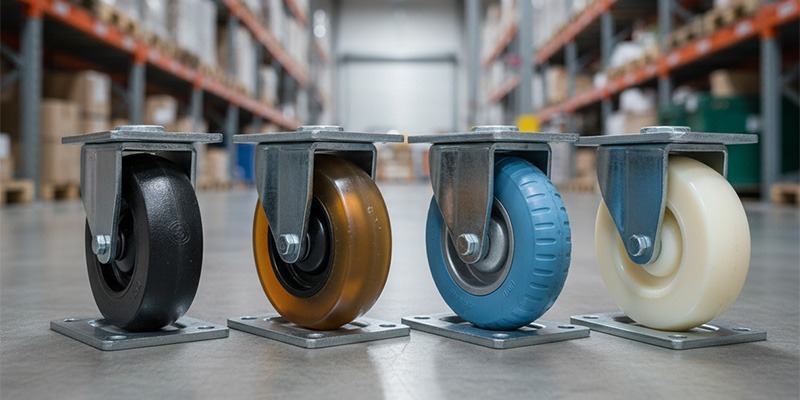
You cannot decide if custom casters are worth it until you know about the types of casters that exist. Different caster types change the entire feel of movement, especially when loads are heavy or space is tight.
Swivel Vs Rigid Builds
Swivel casters rotate, making it easy for carts to turn. Rigid casters hold direction and track straight. Many work carts perform best with a mix of both, because it makes steering easier without losing control. If you have a cart that “wanders” or feels unstable, the issue might not be the wheel material. It might be the caster layout.
Stem Vs Plate Mounts
Mounting style controls how the force is distributed within the equipment frame. Stem mounts are compact and standard on lighter units. Plate mounts spread the load across a wider area and often perform better under weight or vibration. Poor mounting can cause loosened bolts, frame stress, or early failures, even when the wheel itself looks fine. This is one reason many teams move from generic parts to custom solutions that match the equipment design.
Why Lockable Casters Are Safer?
Lockable casters are not just for comfort. They help prevent drift during loading, reduce unexpected rolling on slopes, and keep equipment parked where it belongs. If a cart shifts while someone is lifting onto it, that can create risk quickly. A lock can also help prevent “micro-movement” that slowly wears down mounts and bearings. If safety and control matter, lockable casters can be a smart upgrade even before you go fully custom.
When Standard Industrial Caster Wheels Are Enough
It is fair to ask whether standard industrial caster wheels can do the job. For many simple environments, they can.
Signs Your Current Setup Is Good Enough
If your loads are moderate, your travel distance is short, your floors are smooth, and the cart is used occasionally, standard industrial caster wheels may be all you need. In these conditions, wear is slower and movement demands are predictable. You might not gain much by switching to custom caster wheels if nothing feels complex or unstable.
Signs You Are Pushing Past The Limit
If your equipment is complex to push, shakes over seams, squeals while turning, or wears wheels unevenly, standard parts may be underbuilt for the job. This is when replacement casters become a routine expense instead of a real fix. If you keep swapping the same style and the same issues return, the problem is not bad luck. It is a mismatch. In that situation, stepping up to durable casters or a better-fit design usually saves time and reduces frustration.
The Biggest Decision Factor Is Caster Load Capacity
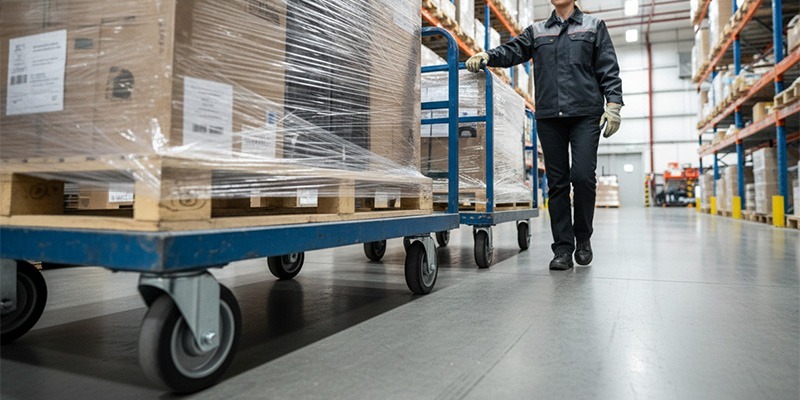
More than anything else, caster load capacity determines whether a caster survives real use. If you want fewer failures, start here.
Static Load Vs Rolling Load
Static weight is the load sitting still. Rolling weight includes the extra force created when you push, turn, hit a seam, roll over a threshold, or take a ramp. That extra force is why a caster rated for the “total load” can still struggle in daily movement. It is also why carts that seem OK at rest can suddenly feel heavy once they start rolling.
How To Estimate Weight Per Wheel
A simple approach is to divide the total load by the number of casters, then leave room for uneven distribution. Loads shift, floors dip, and one caster often carries more than the others. Even if the cart is balanced, turns create side loads that stress the swivel and mount. Planning for realistic use is the easiest way to reduce repeat breakdowns.
What Happens When You Under-Spec Capacity
When the caster load capacity is too low, wheels compress, bearings wear faster, and steering gets worse. The cart becomes harder to move, prompting users to apply more force, which increases stress further. That cycle ends with more downtime and more replacement casters. If you are dealing with this pattern, a stronger caster spec or custom solutions can stop it.
The Real Costs You Should Compare
The price is easy to see. The hidden costs are what sneak up over time. This is where custom solutions often make financial sense.
Hidden Costs Of Cheap Wheels
Cheap wheels can fail early, but the higher cost is what happens around the failure. Someone notices the issue, reports it, finds parts, replaces hardware, and tests the cart again. During that time, work slows down. If failures occur repeatedly, the “cheap option” becomes expensive due to labor and downtime alone.
Why Buy-Once Thinking Works In High-Use Environments
When equipment moves daily, investing in durable casters often reduces service calls and repeat purchases. It also improves how the cart feels in motion, which matters for efficiency and fatigue. If your casters are a daily tool, buying the proper setup once usually costs less than fixing the wrong setup forever.
Where Custom Casters Wheels Make A Noticeable Difference
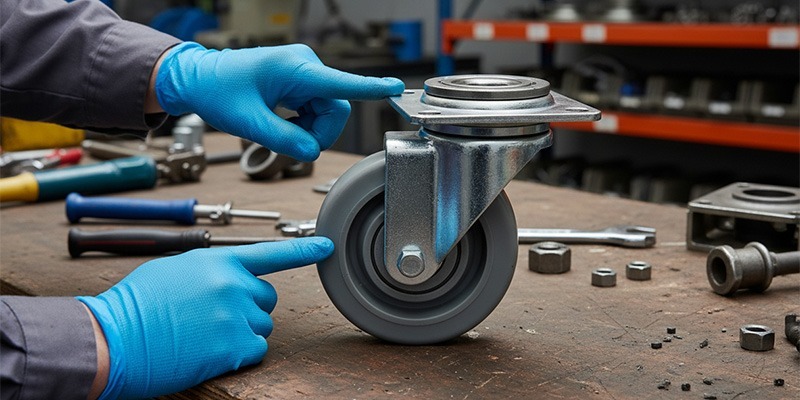
When people hear “custom,” they imagine a complicated build. In reality, custom caster wheels often come down to choosing wheel material, bearings, size, and mounting that fit the job.
Wheel Material
Wheel material affects friction, noise, and how well the cart rolls under load. If a wheel is too soft, it can drag under the weight. If it is too hard, it may transmit vibration and rattle over seams. The right material improves rolling feel and reduces stress on the frame. This is one place where custom casters wheels can make an immediate difference.
Bearing Choices
Bearings control how easily a wheel rotates under weight. Better bearings reduce friction, which means less push effort and less heat buildup during long runs. If carts are moved frequently, bearing quality helps maintain performance and reduces early wear.
Custom Mounting
If the mount does not sit square, the caster can wobble, even with a good wheel. Over time, that wobble loosens hardware and stresses the frame. A proper fit is a significant reason teams choose custom solutions rather than mixing random replacements.
Special-Case Casters
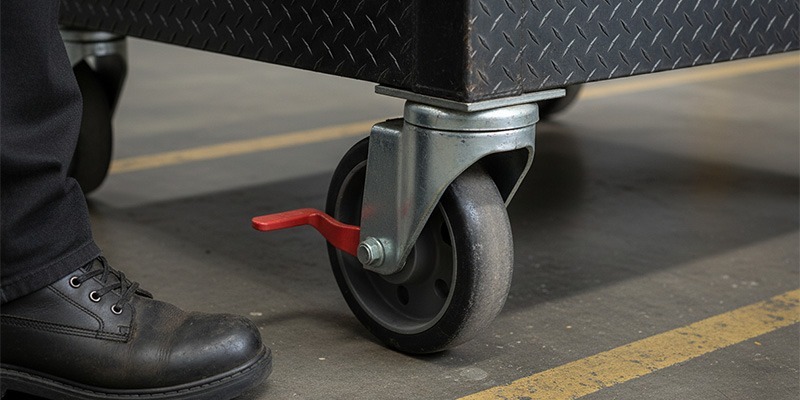
Some environments create specific problems that standard casters rarely solve well. In those cases, specialty designs can pay off quickly.
Leveling Casters
If your equipment rocks after you park it, leveling casters can help stabilize it. They let you roll into place, then stabilize the base so the unit feels steady during work. This is common for benches, mobile workstations, and inspection setups where even slight movement is annoying.
Low Profile Casters
If you have limited space under a cart, low-profile casters allow mobility without raising the equipment too much. The trade-off is often a smaller wheel diameter, which can make seams feel more noticeable. The proper choice balances clearance and smooth movement.
Adjustable Casters
Adjustable casters help you fine-tune the height and compensate for minor floor variations. They are helpful when equipment must align with other surfaces or when comfort matters for repeated tasks. Adjustable casters can also reduce strain by keeping the work at a better level.
Retractable Casters
Sometimes you need equipment to roll into place, then act as if it's stationary. Retractable casters allow movement when needed and a firm stance when working. That setup is helpful for heavy stations, staging systems, and carts that should not shift during use.
All-Terrain Casters
Outdoor movement adds cracks, gravel, uneven slabs, and minor drops. All-terrain casters are built to handle rougher paths with less shock and less resistance. If you move loads outside, all terrain casters can reduce push effort and protect both the cart and the load.
A Quick Checklist
If your cart is used lightly and stays on smooth indoor floors, standard options may be fine. But if movement is constant, loads are heavy, or surfaces are unpredictable, investing in custom casters becomes easier to justify. If the cart is difficult to push, vibrates on seams, turns poorly under load, or never feels stable once parked, your casters are likely mismatched. If you keep purchasing replacement casters and the problems return, you are paying repeatedly instead of fixing the root cause. In many cases, upgrading to the right caster load capacity and choosing more durable casters solves the issue without constant upkeep.
Cost Comparison
Here is a simple way to compare choices using casters & wheels in real working terms.
Standard Caster Route
Standard options usually cost less up front and may work fine in easy conditions. But when the spec does not match the job, issues show up fast. Wheels wear quickly, steering becomes inconsistent, and hardware loosens. Over time, you pay repeatedly through maintenance and lost time.
Custom Route
A custom route matches wheel material, bearing choice, mount style, and load handling to real conditions. Custom solutions can reduce vibration, improve control, and lower replacement frequency. Even if the initial cost is higher, the longer service life and fewer repairs often reduce overall expense.
A Simple Way To Decide
If casters are used daily, carry high loads, or move across complex surfaces, customization usually pays back faster. If the equipment is used occasionally on smooth floors, standard options may be enough.
Common Buying Mistakes
One common mistake is ignoring floor conditions. Smooth concrete, tile, and outdoor paths behave very differently. Another mistake is selecting only by weight rating and forgetting the fundamental rolling forces. A third mistake is skipping brakes even when stability matters. This is why lockable casters are helpful in more situations than people expect. Finally, some teams forget to plan for growth. If your loads increase, choosing a caster setup with a bit of margin can prevent future rebuilds.
When Replacement Casters Make More Sense
Sometimes the equipment is delicate, and the casters are simply the wrong fit or worn out. In those cases, replacement casters can be the right move, as long as the replacement choice fixes the mismatch.
Upgrading Wheel Material Only
Changing wheel material can improve rolling effort, reduce noise, and protect floors, without changing the mount.
Changing Size For Better Roll-Over
A slightly larger wheel can reduce vibration and seam resistance, making the cart feel smoother.
Switching From Swivel-Only To Mixed Layout
If steering feels unstable, switching the layout based on the types of casters can improve control. This often helps carts track straighter without constant correction.
Final Thoughts
At the end of the day, deciding if custom casters are worth it comes down to performance. If your equipment must move smoothly, withstand heavy loads, and remain stable in real use, standard parts may cause repeated frustration. The right combination of caster load capacity, wheel material, and mounting can reduce service issues and improve daily handling. Specialty options, such as leveling casters or retractable casters, can also eliminate problems that standard casters cannot.
If you want a caster setup that matches your environment and workload, Atlanta Casters can help you select custom caster wheels and custom solutions that fit your equipment correctly. Reach out to Atlanta Casters to get guidance on specs, mounts, braking, and load needs, and build a caster system that holds up and rolls the way it should.
FAQs
1) What Are Casters And How Are They Different From Regular Wheels?
Casters are wheel assemblies that include a mounting system and often a swivel section. Unlike basic wheels, casters control steering, stability, and how equipment behaves during turns and stops.
2) How Do I Know If I Need More Caster Load Capacity?
If wheels flatten, steering becomes difficult, or failures happen too often, you likely need more caster load capacity. Dynamic forces during rolling and turning also matter, not just static weight.
3) Are Leveling Casters Better Than Lockable Casters?
They serve different purposes. Lockable casters prevent rolling and drifting. Leveling casters stabilize equipment once it is positioned, preventing it from rocking during work.
4) When Should I Choose Low-Profile Casters?
Choose low-profile casters when clearance is limited, and you must keep the equipment height low. The key is balancing clearance with smooth rolling needs.
5) Can I Install Custom Casters Wheels Without Changing The Frame?
In many cases, yes. custom casters wheels can be designed to match existing mounts while improving performance through better materials, bearings, or load handling.