Email US
 Hours
Hours
 Visit Our Showroom


How to Select the Right Casters for Automotive Workshops
Jan 6th 2026
When a vehicle is up on jacks, a cart is loaded with tools, or a dolly is rolling across the shop floor, a lot depends on the casters underneath. The wrong caster can slow your team down, damage the floor, or wear out faster than it should. The right caster keeps your workflow smooth, your equipment stable, and your shop moving efficiently.
Choosing casters for an automotive workshop is not a guessing game. It's about matching the right caster to the job, the load, and the environment. Whether you're outfitting tool carts, engine stands, dollies, or trolleys, each application demands a different level of strength, maneuverability, and durability.
Let's look at how you can choose the best casters for your shop, so everything rolls exactly how it should.
Key Highlights
- The right casters reduce strain, protect the flooring, and keep the workflow smooth.
- Key buying factors include load capacity, wheel material, workshop environment, and mobility needs.
- Different caster types, such as swivel casters, rigid casters, steel casters, and specialty wheels, fit specific automotive tasks.
- Proper caster maintenance extends lifespan and prevents costly downtime.
- Automotive casters from trusted suppliers offer stronger performance for vehicle dollies, tool carts, engine stands, and shop equipment.
Why the Right Casters Matter in an Automotive Workshop
Auto shops depend on fluid movement. From maneuvering engine stands and toolboxes to shifting cars on dollies, mobility ensures efficiency. When casters stick, squeal, wobble, or give out, everything slows. Techs waste energy wrestling with equipment instead of working on vehicles. Floors get scratched. Repairs back up. Productivity drops.
We often underestimate how much strain poor wheels put on our team. Heavy equipment feels even heavier when casters fight back. That is why selecting durable casters built for automotive environments is an investment in safety and workflow.
Automotive casters are designed for frequent movement, variable floor conditions, and demanding weight loads. Whether we are moving an engine block, rolling a parts cart, or shifting a vehicle on a dolly, the right wheels keep our space running like a well-tuned machine.
Understanding the Types of Casters You Can Choose From
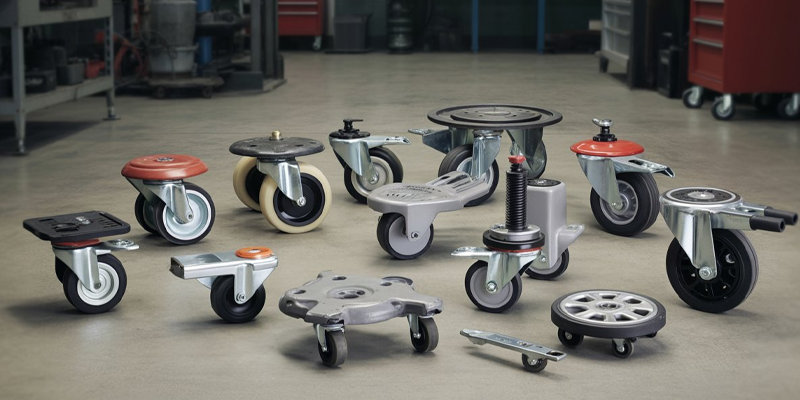
Knowing the types of casters helps you match the right one to each job. Here are the most common options available, including categories you will find at Atlanta Caster.
Swivel casters
These rotate in every direction, giving you flexibility in tight spaces. They are common on tool carts, diagnostic equipment, and light automotive machinery, where maneuverability matters. If your team constantly shifts direction in tight service bays, swivel casters deliver the easy steering you need.
Rigid casters
These roll straight and do not turn. They are essential when stability and predictable movement matter. You will often see them on automotive carts or equipment that carries heavy loads in a straight path.
Steel casters
Steel casters handle extreme weight and demanding shop environments. If your workflow includes engine stands or heavy vehicle dolly systems, steel casters can manage the strain and stay reliable under pressure.
Rubber and polyurethane wheels
These wheel materials give you quiet casters and protect your floors. Polyurethane in particular offers grip, durability, and smooth rolling, making it a top choice for wheels for carts and Trolley wheels that carry valuable tools or diagnostic equipment.
Specialty casters
Automotive workshops also rely on more specialized caster types, including:
- Heat resistant wheels for hot environments
- High load casters for engine cradles
- Automotive dolly casters for moving disabled vehicles
- Car dolly casters that support frames, tires, or jacking systems
When you match the type of caster to the job, you improve both efficiency and safety.
Key Factors to Consider When Choosing Automotive Casters
Choosing casters for moving heavy objects in a workshop requires more than simply picking a wheel size. Here are the factors we encourage every shop to evaluate.
Weight load
Casters must support the heaviest possible load, not the average load. Under-rated casters fail early, create safety hazards, and damage equipment. For vehicle casters or car dolly casters, overspec is always safer. Check both static and rolling load ratings.
Flooring
Concrete, epoxy, tile, and uneven asphalt each impact the wheel material you should choose. Polyurethane wheels protect finished floors while steel wheels excel on tough surfaces. Rubber wheels help maintain quiet casters for indoor use.
Frequency of movement
A tool cart constantly rolled across the shop needs different wheels than equipment that only moves occasionally. High-use applications benefit from smoother bearings, tougher wheel materials, and a more durable caster frame.
Environmental conditions
Oil, metal fragments, chemicals, humidity, and temperature can wear down casters fast. Steel casters often hold up better in rugged environments, while polyurethane wheels resist chemicals and scuffing.
Precision vs power
Some equipment requires precision movement, such as an alignment machine or calibration tools. Others require brute strength, such as engine cradles and vehicle dollies. Match the caster to your operational priority.
Matching Casters to Common Automotive Workshop Equipment
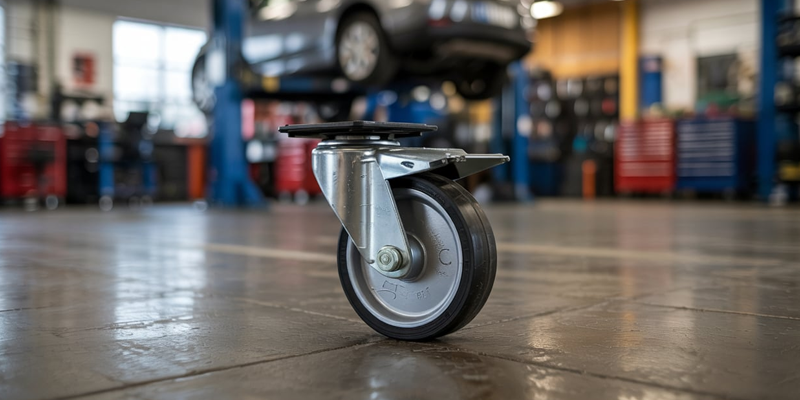
Let us break down the best caster choices for the equipment you use daily.
Tool carts and mechanic carts
These need maneuverability above all. We recommend -
- Swivel casters on all corners
- Polyurethane or rubber wheels for quiet movement
- Medium duty frames
These wheels for carts reduce noise and protect floors while offering smooth movement.
Trolley systems and parts carts
For parts handling, Trolley wheels with polyurethane tread give you the control and floor protection you want. Swivel casters up front with rigid casters in the rear improve steering.
Automotive dollies
Automotive dolly casters support entire vehicles or frames. They should be:
- High load rated
- Steel framed
- Smooth rolling under pressure
Car dolly casters often use hardened wheels that maintain shape under extreme weight.
Engine stands
Engine stands demand durable casters with superior strength. Steel casters with locking capability give you stability when working on heavy powertrains.
Diagnostic equipment and computers
These tools benefit from quiet casters that glide over smooth floors. Rubber or polyurethane wheels are ideal and help protect sensitive electronics from vibration.
Heavy service equipment
For lifts, compressors, and shop machines that only move occasionally, casters for moving heavy objects should be overbuilt. These wheels remain reliable even if they sit under a weight for long periods.
The Advantage of Using Purpose-Built Automotive Casters
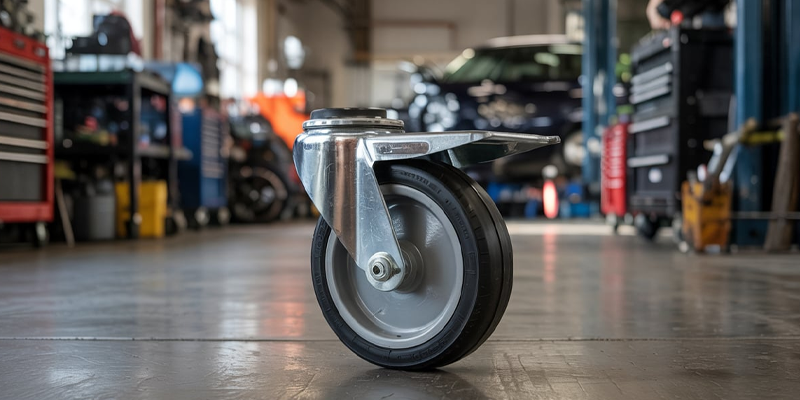
General-purpose casters may seem cheaper, but automotive environments are harsh. Purpose-built vehicle casters offer:
- Higher weight capacity
- Better resistance to impact and debris
- Reliable bearings that stay smooth under pressure
- Stronger frames with reinforced steel
- Greater longevity under frequent shop use
The casters you see on automotive dollies or heavy duty equipment wheels are not random. They are engineered for the very challenges auto shops face. Choosing specialty designs improves safety, protects your floors, and reduces downtime.
How to Assess Quality When Comparing Casters
When you are browsing different types of casters, look for these quality indicators.
Bearing quality
A good bearing system ensures effortless movement. Precision bearings help heavy items roll as if they weigh nothing.
Wheel core construction
Look for reinforced cores and high-grade materials. Lower quality wheels flatten, crack, or deform.
Frame design
The best durable casters use thicker steel, high-load plates, and secure welds.
Brake performance
Reliable brakes matter for safety. Test how firmly the brake locks the wheel and how stable the caster remains.
Noise rating
Quiet casters improve the workspace atmosphere and reduce fatigue. Polyurethane and rubber materials generally perform best here.
Debris resistance
Shops with metal shavings or concrete dust will benefit from sealed bearings and tougher treads.
One of the reasons automotive facilities trust Atlanta Caster is the consistency across our product categories. Whether you choose swivel casters, rigid casters, automotive dolly casters, or steel casters, you get design integrity that holds up under real shop conditions.
Caster Maintenance Practices That Extend Lifespan
Caster maintenance may not feel exciting, but it saves money and prevents injuries. Incorporating a simple routine makes a noticeable difference in mobility and safety.
Inspection
Check wheels weekly for debris, flat spots, cracks, or wobbling.
Cleaning
Wipe off grease, metal fragments, and chemical residue that eat away wheel surfaces.
Lubrication
Lubricate swivel joints and bearings periodically to maintain smooth rotation.
Tightening
Vibration loosens bolts over time. Tighten caster plates and axles to prevent wobble.
Replacement schedule
Even durable casters eventually wear out. Replacing them on time keeps the rest of your equipment in good shape.
Strong caster maintenance habits protect your floors, your equipment, and your team's efficiency.
When It Makes Sense to Upgrade Your Casters
If your technicians constantly fight with equipment, hear loud clattering, or notice uneven rolling, your casters are telling you something. Upgrading to purpose built automotive casters increases productivity in several ways.
- Faster movement reduces wasted steps
- Heavy loads feel lighter
- Floors stay cleaner and less damaged
- Carts track straight and stop safely
- Workstations become quieter and less stressful
Shops that replace old wheels with modern polyurethane, steel, or specialty vehicle casters immediately feel the difference. It is one of the simplest quality of life upgrades a shop can make.
Choosing a Trusted Supplier Matters
Automotive workshops benefit most when they get casters from a supplier that understands the industry. At Atlanta Caster, the available categories include:
- Swivel casters
- Rigid casters
- Steel casters
- High load automotive casters
- Specialty wheels for shop equipment
These product categories are engineered to withstand real shop conditions, including constant turning, oil exposure, concrete floors, and mechanical vibration.
When you work with Atlanta Caster, you also get guidance on selecting casters for unique situations. Vehicle casters, automotive dolly casters, or equipment wheels each require specific features. Expert input helps you avoid downtime, reorders, and compatibility issues.
Final Thoughts and Smart Next Step
Choosing casters might seem like a small decision, but it affects your entire workflow. When we match the right wheels to the right equipment, everything moves smoothly. Our team works more easily. Our shop remains safer and more organized. Whether you are equipping new tool carts or upgrading car dolly casters on your vehicle moving equipment, focusing on durability, floor protection, steering control, and load rating ensures long term performance.
If you want dependable mobility for your automotive workshop, consider browsing high quality caster options such as swivel casters, steel casters, automotive casters, and vehicle casters from Atlanta Caster. A better working shop often starts with better wheels.
FAQs
1. What are the best casters for heavy vehicle dollies?
High load automotive dolly casters with steel frames and precision bearings work best because they support extreme weight without deforming.
2. How often should I inspect my casters?
A quick weekly inspection is ideal. Check for debris, flattening, noise changes, or wobbling.
3. Are polyurethane wheels good for automotive workshops?
Yes, they are excellent for wheels for carts and Trolley wheels because they protect floors and roll quietly.
4. What causes caster wheels to wear out early?
Overloading, chemical exposure, poor caster maintenance, and debris buildup are the most common causes.
5. Can I mix swivel and rigid casters on the same cart?
Absolutely. Many carts use two swivel casters up front and two rigid casters in the back for easier steering and stability.